
The medical cannabis cultivated for the production of secondary metabolites, such as cannabinoids, is harvested and processed in several ways. The cultivation, harvesting, drying and post-harvest refinement processes change according to the target product:
Hemp cultivation in Italy: reliable quality
In recent years Italy has resumed the cultivation of therapeutic cannabis: a production with precise and detailed rules that must be respected by all producers that belongs to this market.
The high quality of Made in Italy products distinguishes the entire hemp production chain, which is carried out according to the GACP guidelines.
In this particular context, Egeria enters the market with the following products:
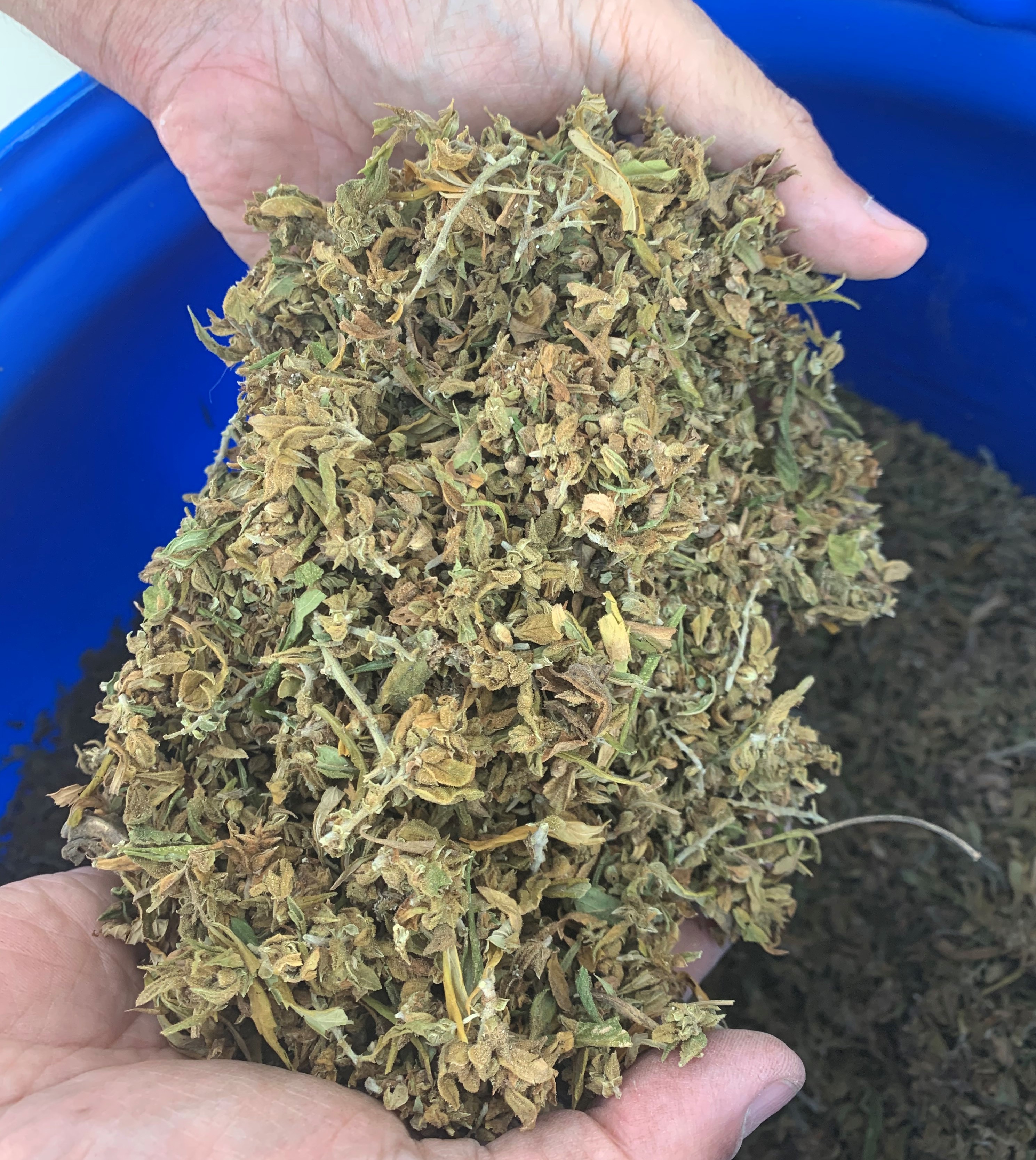
Biomass and inflorescences of pharmaceutical hemp
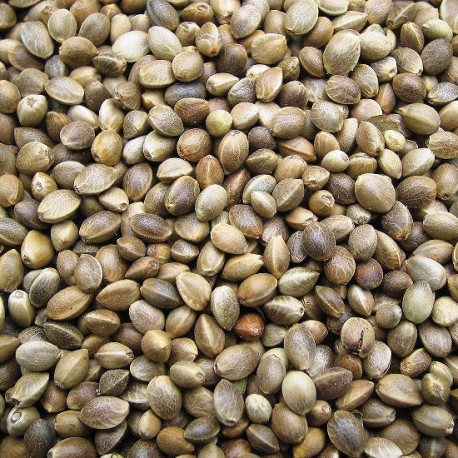
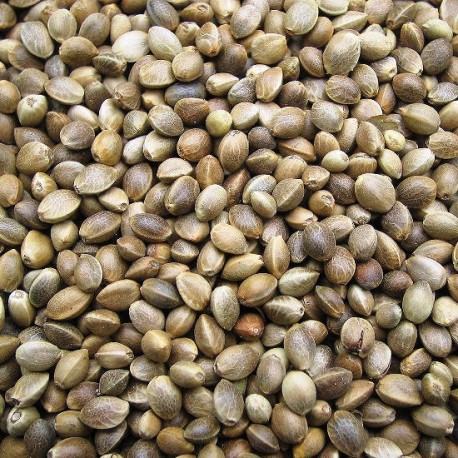
Italian hemp seeds
Cannabis natural aroma
Biomass and inflorescences of pharmaceutical hemp
According to the cultivated variety, both products can be obtained with a prevalence of content in CBD, CBG, CBDV and other cannabinoids.
Our products are authorized by a specific Decree of the Italian Ministry of Health issued to Egeria Srl according to the Presidential Decree (DPR) 309/90.
Italian hemp seeds
Egeria hemp seeds are the result of our R&D projects in the field of genetic improvement, developed in cooperation with Sativa Creations.
The hemp cultivation in Italy is regulated by the Law n. 242 of 2nd December 2016, 242 which entered into force on 14/01/2017 and provides a series of detailed provisions on the entire agro-industrial chain of hemp production.
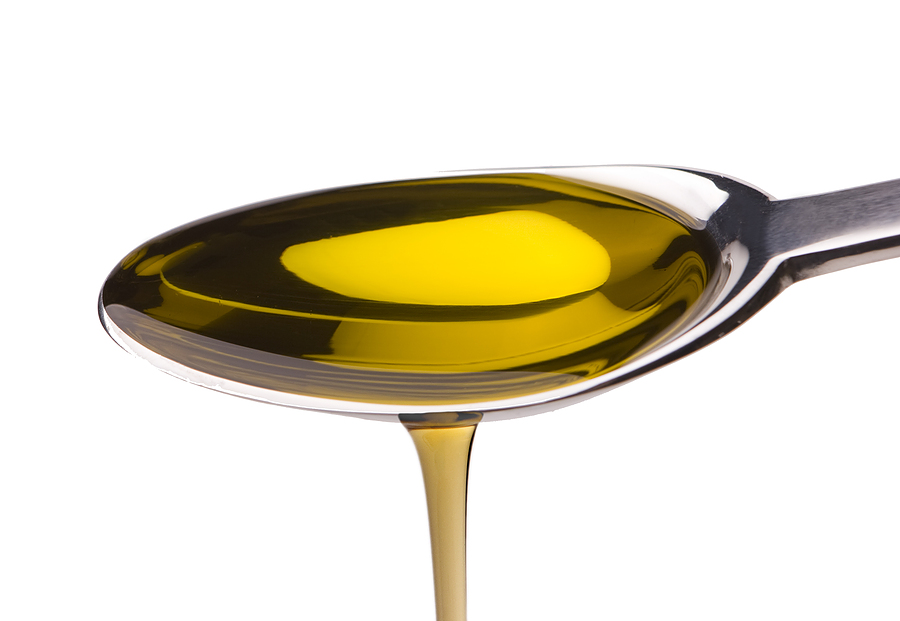
Cannabis Natural Aroma
Egeria’s Cannabis Natural Aroma was developed to respond in a concrete way to the needs of the food and beverage market. Our aroma confers the final products the characteristic terpenic notes of cannabis flowers, together with the typical relaxing effect of CBD. Egeria’s Cannabis Natural Aroma is fully compliant with the current legislation and is not subject to the Novel Food regulation.
The terpenes are volatile organic compounds made up of isoprene units, which in turn consist of five carbonaceous units. The isoprene units combine in different numbers and forms and generate different terpenes which give the sense of smell different aromas and flavors.
According to their macrostructure, the terpenes are classified into different families, which in hemp inflorescences are mainly grouped into two sub-categories:
- Monoterpenes: the most important components of which are D-limonene, β-myrcene, α-pinene, β-pinene, terpinolene and linalool;
- Sesquiterpenes: the most important components of which are β-caryophyllene and α-humulene
Terpenes have also been found in other organs of the hemp plant such as in the roots (in which we find friedelin and epifridelanol), in the fiber (in which we find β-amyrin) and in hemp seeds oil (in which we find cycloartenol, demmaradienol and β-amyrin).
Despite not having clinically relevant effects, the terpenes interact positively with the human body thanks to their numerous properties: